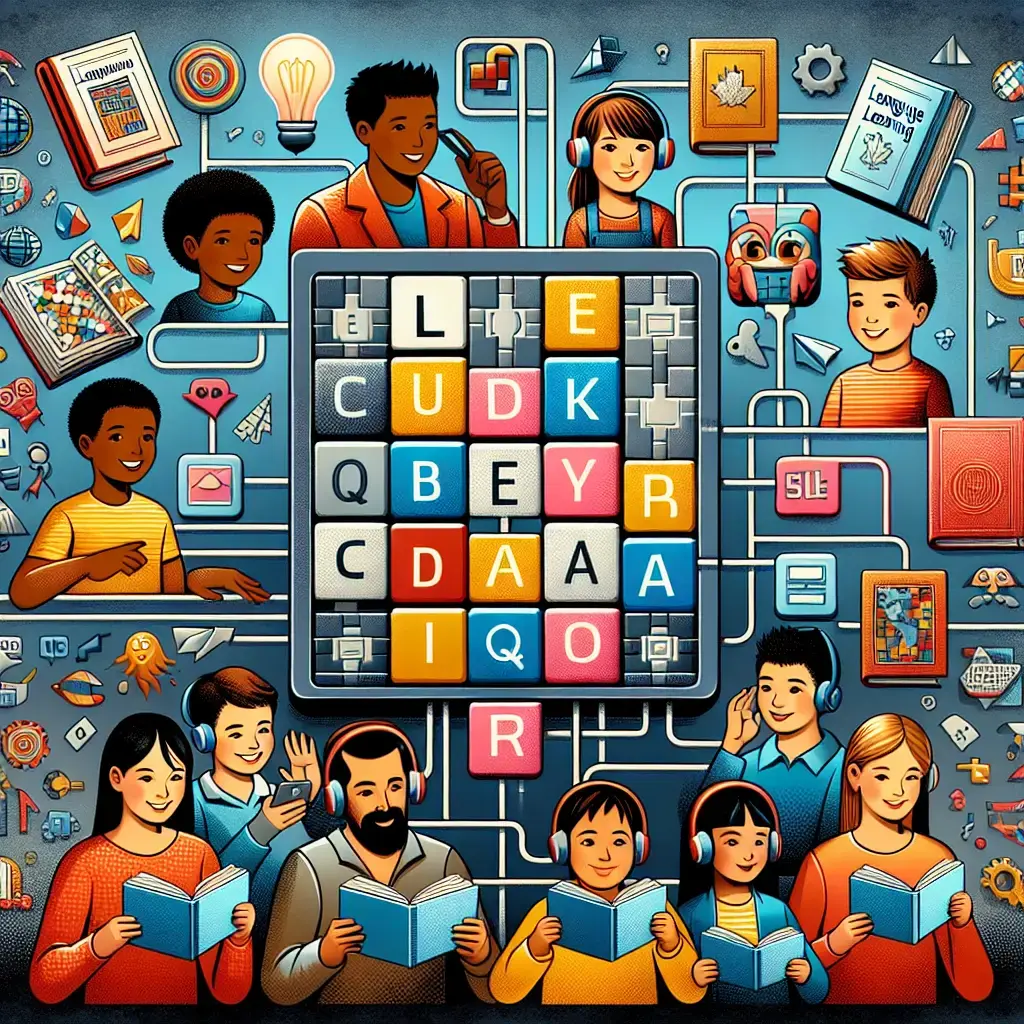
The Impact of Wordle on Modern Language Learning
In the ever-evolving landscape of educational technology, Wordle has emerged as a captivating force, reshaping modern language learning. This simple yet ingenious word game has captured the imagination of millions, offering more than just entertainment. Wordle exemplifies how gamification in education can enhance language acquisition by transforming vocabulary building into an engaging and interactive experience. As language education trends lean increasingly towards digital literacy, tools like Wordle have become essential in fostering language skills in innovative ways.
Gamification in Education: A Catalyst for Learning
The rise of gamification in education has led to innovative language learning strategies that promote active engagement and motivation. Wordle exemplifies this trend by transforming vocabulary building into a fun and challenging activity. The game's popularity—evident in daily updates such as those provided by the New York Times' Wordle Hints—shows how gamified learning tools can capture the attention of millions.
Word games like Wordle not only make learning fun but also offer significant cognitive benefits. They encourage players to think critically, strategically, and creatively—crucial components of effective language learning strategies. By challenging users to decipher word puzzles within limited attempts, Wordle sharpens their language proficiency and acts as a catalyst for language practice.
Cognitive Benefits of Word Games
The cognitive benefits of word games like Wordle are significant. They enhance language proficiency by sharpening critical thinking, improving memory retention, and boosting problem-solving skills. These cognitive processes are essential components of effective language learning strategies.
Moreover, the gamified nature of Wordle provides an educational platform that motivates learners through competition and achievement. According to a study published in the Journal of Educational Psychology, incorporating game elements in education can increase student engagement and improve learning outcomes. Wordle's dynamic approach invites users to expand their vocabulary continuously, enriching their language learning tools repertoire.
Interactive Learning and Digital Literacy
Interactive learning is becoming the norm in modern education, with digital literacy being a key focus area. Wordle fits seamlessly into this context by offering innovative language learning opportunities. By encouraging daily participation, as seen in updates like July 20, #1127, Wordle promotes regular engagement with language content, thereby enhancing digital literacy.
The game's integration into modern language education highlights its role as an effective educational app. It caters to both casual learners and seasoned enthusiasts, redefining traditional language acquisition methodologies. As learners navigate word puzzles, they develop critical digital skills essential in today's tech-driven world.
Wordle's Influence on Language Education Trends
Wordle's impact extends beyond mere entertainment; it acts as a gateway to improved language skills and cognitive growth. As educational technology evolves, tools like Wordle play a pivotal role in shaping language education trends. They provide a fresh perspective on how interactive learning can be both effective and enjoyable.
Recent news and updates, such as the daily hints for popular puzzle games like NYT Connections, demonstrate the growing demand for gamified educational content. These games encourage users to think strategically about word associations, further enhancing language proficiency.
Engaging with Language Learning Tools: A Case Study
Consider a case study involving a group of high school students using Wordle as part of their English curriculum. Over six months, these students showed marked improvements in vocabulary retention and usage compared to their peers who used traditional methods. This case study, detailed in an article from EdTech Magazine, highlights the efficacy of gamified language learning tools.
The students reported increased motivation to engage with language content outside the classroom, driven by the competitive and rewarding nature of Wordle. This aligns with findings from the American Educational Research Association, which suggest that game-based learning can significantly enhance student motivation and achievement.
The Future of Innovative Language Learning
As we look towards the future, Wordle's influence on modern language learning is likely to grow. Its success underscores the potential of gamification in education and highlights the importance of integrating interactive learning tools into curricula. Educators increasingly recognize the value of these tools in promoting language acquisition and cognitive development.
The ongoing updates from platforms like NYT Mini Crossword demonstrate a sustained interest in puzzle-based learning. These games offer diverse opportunities for language practice, making them valuable assets in any educator's toolkit.
Conclusion: Embracing the Future of Language Learning with Wordle
In summary, Wordle has become a transformative force in modern language learning by seamlessly blending gamification with educational technology. Its engaging and interactive nature revitalizes traditional vocabulary exercises, driving motivation and enhancing language acquisition. The game's cognitive benefits—improved critical thinking, memory retention, and problem-solving skills—are essential to effective language learning. As we integrate tools like Wordle into curricula, we prepare students for a tech-driven world where digital literacy is paramount.
Wordle's influence on educational trends underscores the potential of gamified learning to enrich language proficiency and foster consistent practice. It invites both casual learners and seasoned enthusiasts to engage with language content regularly, proving that learning can be both enjoyable and rewarding. The success of gamified approaches highlights the importance of interactive learning in shaping a new generation of digital-savvy learners.
As educators and learners explore the intersection of gamification and education, the challenge is to leverage the full potential of word games like Wordle. This exploration paves the way for educational advancements and inspires us to consider how we can further integrate these innovative tools into our daily learning experiences.
I invite you to reflect on your own experiences with Wordle or similar games. How have they influenced your language skills or teaching methods? Share your thoughts and insights in the comments below. Let's continue this conversation and discover new ways to enhance language learning through the power of play.
Thank you for joining me on this exploration of Wordle's impact on language education. Together, we can embrace the future of learning and unlock new possibilities for educational innovation.
Eleanor Griffin